The Process of EMDR Therapy: a Comprehensive Overview to Its Methods and Benefits
EMDR treatment stands apart as an organized technique for resolving distressing memories. Its multi-phase method and incorporation of bilateral stimulation strategies established it in addition to standard therapies. By assisting in the reprocessing of stressful experiences, EMDR uses an one-of-a-kind path to recovery. What particular strategies are employed, and what benefits do they bring to injury healing? Exploring these aspects reveals a deeper understanding of this reliable restorative option.
Comprehending EMDR Treatment: A Review
EMDR therapy, or Eye Movement Desensitization and Reprocessing, is a psychotherapy approach designed to alleviate the distress related to terrible memories. Created by Francine Shapiro in the late 1980s, EMDR integrates elements from various restorative methods, including cognitive-behavioral therapy and psychodynamic treatment. The primary goal of EMDR is to assist individuals procedure and reframe stressful memories, decreasing their psychological charge and linked signs.
During EMDR sessions, clients involve in dual interest stimulations, typically involving assisted eye activities, while recalling traumatic memories - emdr therapy. This process permits the mind to reprocess the memory in a healthier fashion. EMDR has actually acquired acknowledgment for its efficacy in treating Anxiety, ptsd, and anxiety, to name a few problems. Research study has actually revealed that EMDR can cause considerable renovations in emotional wellness. As an organized intervention, it uses a complete structure for therapists to help clients in getting over the effect of previous injuries
The 8 Stages of EMDR
While several healing techniques vary in framework and strategy, the eight phases of EMDR offer an organized framework that guides the healing procedure. These phases begin with the history-taking and therapy planning, where the therapist collects appropriate information concerning the client's experiences and develops a safe atmosphere. The 2nd phase concentrates on prep work, furnishing customers with devices to manage emotional distress.
In the 3rd stage, clients recognize details memories to target. The 4th phase entails desensitization, where clients refine these memories while involving in bilateral excitement. The fifth stage stresses installation, reinforcing favorable beliefs. The sixth phase addresses body check techniques to identify any residual stress.
The last two stages include closure, returning clients to a state of balance, and reevaluation, examining the performance of the therapy. This organized approach warranties that EMDR treatment is thorough, dealing with both the emotional and physical elements of trauma.
Key Strategies Made Use Of in EMDR Sessions
In EMDR sessions, specialists utilize particular techniques to assist in recovery and processing of distressing memories. Key among these are bilateral excitement approaches, which involve both hemispheres of the mind, and various memory handling techniques that assist customers reframe their experiences. Recognizing these methods is vital for realizing the effectiveness of EMDR therapy.
Bilateral Stimulation Techniques
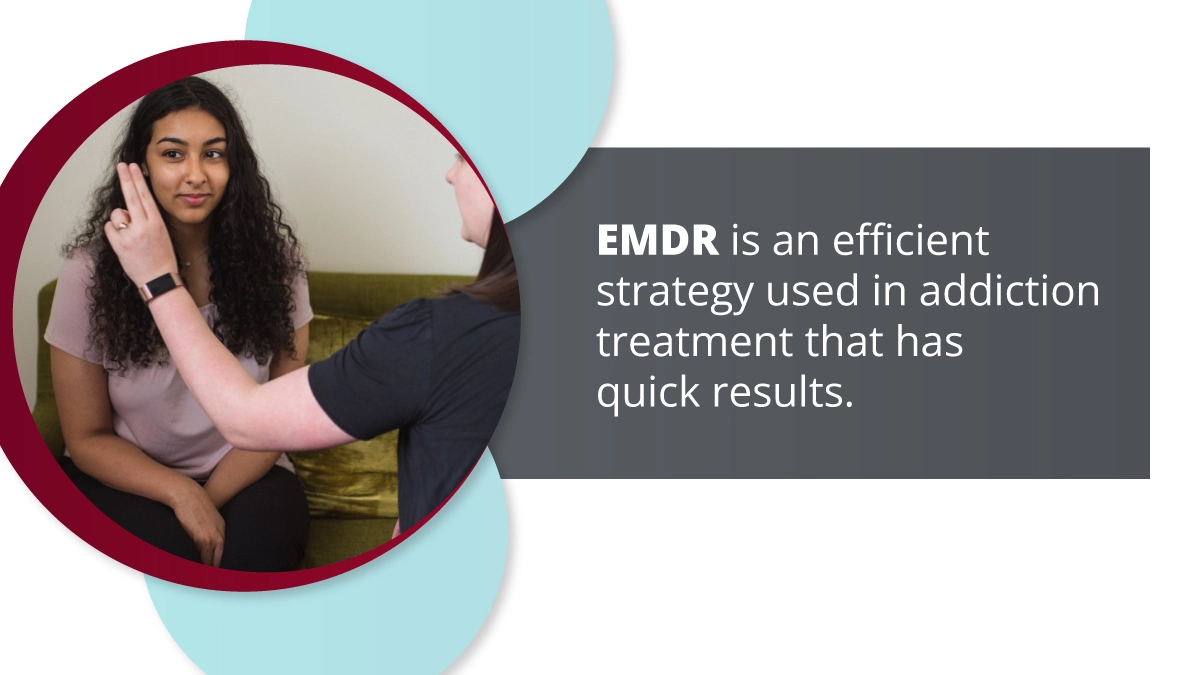
Reciprocal stimulation techniques are important methods utilized throughout EMDR sessions to assist in the handling of stressful memories. These approaches involve engaging both hemispheres of the mind, promoting integration and recovery. Common reciprocal stimulation techniques include auditory signs, such as rotating tones or sounds, and tactile stimulation, through using handheld tools that develop rotating taps. Visual stimuli, such as the therapist assisting the client's eye motions from side to side, are also widely made use of. The rhythmic nature of these techniques assists to trigger the brain's all-natural processing capabilities, allowing customers to recycle distressing memories in a risk-free setting. Inevitably, reciprocal stimulation fosters a sense of safety and boosts the therapeutic experience throughout EMDR.
Memory Processing Techniques
Memory handling methods in EMDR sessions are critical for assisting customers confront and remodel stressful experiences. These methods focus on promoting the reprocessing of upsetting memories, allowing clients to incorporate and deal with negative emotions related to them. One secret method involves the usage of bilateral stimulation, which can consist of responsive feelings or auditory tones, to enhance the mind's data processing abilities. During sessions, customers are assisted to remember particular memories while concurrently involving in reciprocal stimulation, advertising a twin focus on the traumatic memory and the here and now minute. This method aids in lowering the emotional fee of the memory, making it less intrusive. Ultimately, memory processing techniques empower customers to rebuild their stories, promoting recovery and durability.
The Role of Reciprocal Stimulation
Reciprocal stimulation is a basic element of EMDR treatment, promoting the processing of terrible memories. Numerous techniques, such as auditory, responsive, and visual excitement, are employed to involve both hemispheres of the mind. This technique has been revealed to enhance injury recuperation by advertising emotional guideline and lowering distress related to past experiences.
Device of Reciprocal Stimulation
The mechanism of bilateral excitement plays an essential function in promoting the processing of distressing memories when people involve in EMDR therapy. This method entails alternating stimulation, usually with auditory, tactile, or aesthetic means, which triggers both hemispheres of the mind. The balanced nature of bilateral stimulation is believed to mimic the mind's natural processing devices during rapid eye movement, promoting combination of stressful memories. As customers concentrate on their distressing experiences while simultaneously participating in this stimulation, they might experience a reduction in psychological charge related to those memories. Consequently, this procedure permits the reprocessing of injury, leading to enhanced emotional regulation and an extra adaptive point of view on past events.
Kinds of Excitement Methods
Numerous excitement strategies are made use of in EMDR treatment to improve the reprocessing of distressing memories. The primary approach is reciprocal excitement, like this which includes auditory, aesthetic, and tactile methods. Auditory stimulation frequently includes alternating sounds played via earphones, while visual excitement can consist of guided eye motions back and forth. Responsive stimulation might utilize portable tools that develop rotating faucets on the customer's hands. Each of these methods aims to involve both hemispheres of the brain, promoting an extra effective processing of distressing memories. Practitioners might select one or a combination of these methods based on customer preferences and therapeutic goals, making sure a personalized strategy to recovery. These methods are essential for promoting a much deeper integration of stressful experiences within the healing structure.
Benefits for Trauma Recovery
The duty of reciprocal excitement in EMDR treatment significantly contributes to trauma recuperation by promoting the processing of upsetting memories. This method entails rotating sensory input, commonly through eye motions or acoustic tones, which assists in integrating traumatic experiences. By involving both hemispheres of the mind, reciprocal stimulation improves emotional regulation and decreases the strength of terrible memories. Research study suggests that clients frequently experience a decrease in anxiousness and a raised capacity to confront stressful thoughts. In addition, this technique advertises cognitive adaptability, allowing people to reframe their experiences in a more flexible way. Eventually, making use of bilateral stimulation in EMDR therapy plays a crucial role in making it possible for people to accomplish long lasting recovery and durability in the face of injury.
The Scientific research Behind EMDR: How It Functions
The precise systems of Eye Activity Desensitization and Reprocessing (EMDR) therapy are still being discovered, research study suggests that it assists in the handling of distressing memories by integrating sensory, psychological, and cognitive parts. EMDR utilizes reciprocal stimulation, commonly via assisted eye movements, which is thought to imitate the brain's all-natural handling during rapid eye movement. This stimulation might aid clients access and reprocess distressing memories, reducing their emotional cost.
Neuroscientific researches suggest that EMDR might modify the means distressing memories are stored in navigate to these guys the brain, advertising adaptive resolution. The therapy urges people to face their memories and linked ideas, allowing them to reframe their experiences. In addition, the organized stages of EMDR-- such as history-taking, desensitization, and installment-- sustain a complete expedition of the trauma, cultivating assimilation of the fragmented facets of the memory. This process ultimately intends to recover a sense of equilibrium and emotional well-being.
Benefits of EMDR for Trauma Recuperation
EMDR therapy uses countless benefits for individuals recovering from injury, especially by resolving the cognitive and emotional distortions related to terrible experiences. One considerable benefit is its capacity to facilitate rapid handling of distressing memories, frequently resulting in a reduction in signs such as anxiousness and anxiety. This strategy enables clients to confront their trauma in a organized and secure environment, cultivating strength and psychological guideline.
Additionally, EMDR helps individuals reframe adverse ideas associated to their injury, advertising a much healthier self-image and restoring a feeling of control. The therapy can boost general mental wellness and encourage clients to regain their lives, making it a useful device in injury healing. EMDR is suitable for numerous age groups and can be adapted to satisfy the details demands of people, making it a versatile choice for those seeking to recover from their traumatic experiences effectively.
That Can Gain From EMDR Therapy?
People from varied histories and experiences can benefit from EMDR therapy, specifically those that have actually experienced trauma in different types. This includes survivors of childhood abuse, natural disasters, mishaps, and combat experiences. Additionally, individuals struggling with trauma (PTSD) often locate EMDR to be a reliable therapy choice.
Past injury, those handling anxiousness, anxiety, phobias, and various other mental wellness problems might additionally experience renovations via EMDR. The treatment why not find out more can aid in settling distressing memories that add to these issues.
In addition, EMDR is not limited to grownups; kids and teenagers can additionally benefit, particularly when adjusted to their developmental requirements. Generally, EMDR treatment offers a versatile approach, making it suitable for a wide variety of individuals looking for healing from emotional pain and psychological distress. Its structured yet versatile nature allows specialists to tailor the treatment to satisfy details customer needs.
Often Asked Concerns
How much time Does an EMDR Therapy Session Commonly Last?

Is EMDR Treatment Appropriate for Kid?
EMDR treatment can be suitable for youngsters, as it has been adapted to address their unique developing demands. Appropriately trained therapists can successfully implement strategies that aid youngsters process traumatic experiences in a supportive atmosphere.
What Should I Anticipate After an EMDR Session?
After an EMDR session, people may experience psychological launch, momentary exhaustion, or enhanced emotions. Some report boosted clearness and relief, while others could want for extra processing time to integrate their experiences successfully.
Are There Any Side Effects of EMDR Therapy?
Exactly how Do I Discover a Certified EMDR Therapist?
To find a qualified EMDR specialist, people ought to seek referrals from healthcare suppliers, validate credentials through expert companies, and seek advice from on-line directories. Making sure proper training and experience in EMDR is necessary for effective therapy.
Bilateral stimulation is a basic element of EMDR treatment, facilitating the processing of terrible memories. When people engage in EMDR treatment, the mechanism of reciprocal excitement plays a crucial role in assisting in the handling of distressing memories. Numerous excitement methods are utilized in EMDR therapy to improve the reprocessing of stressful memories. The duty of reciprocal excitement in EMDR treatment significantly contributes to trauma recovery by facilitating the handling of traumatic memories. The specific systems of Eye Movement Desensitization and Reprocessing (EMDR) therapy are still being checked out, study suggests that it helps with the processing of stressful memories by incorporating sensory, psychological, and cognitive components.